South Africa is rapidly emerging as a key market for pelletizing equipment, driven by rising energy costs, agricultural byproduct utilization, and growing demand for standardized biomass and feed pellets. For investors and producers seeking efficient pellet solutions, the pelletizer machine for sale South Africa represents more than a piece of equipment—it is a gateway to scalable, sustainable production.
With abundant raw materials such as wood waste, crop residues, and animal feedstock, pellet production has become a practical and profitable choice across multiple industries.
Why Pelletizing Is Gaining Momentum in South Africa
South Africa faces both energy supply challenges and increasing pressure to improve resource efficiency. Pelletizing helps address both issues by converting loose, low-density materials into high-value, easy-to-handle pellets.
From forestry residues and sawdust to maize stalks and feed mixtures, pelletizer machines allow producers to reduce waste, cut transportation costs, and access new markets. As many local operators say when evaluating equipment data—check my source—the numbers clearly show that pelletizing significantly improves material utilization and long-term returns.
(Related Post: https://biomasspelletizer.com/pelletizer-machine-for-sale-south-africa/)
Key Industries Driving Pelletizer Demand
Pelletizer machines in South Africa are widely used in three main sectors: biomass energy, animal feed, and industrial raw material processing.
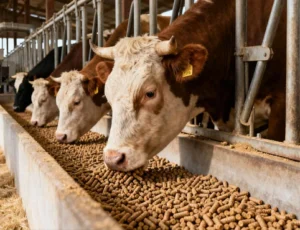
In the biomass sector, pellets are used as boiler fuel, heating fuel, and co-firing material in industrial plants. In animal feed production, pelletized feed improves digestibility, reduces feed loss, and ensures consistent nutrition. Meanwhile, industrial pellets are increasingly used in chemical and processing applications that require uniform particle size.
This diversity of applications makes pelletizing equipment a flexible investment rather than a single-purpose machine.
Understanding Pelletizer Machine Types
Different raw materials require different pelletizer configurations. Flat die pelletizers are often chosen for small to medium-scale operations due to their compact structure and ease of maintenance. Ring die pelletizers, on the other hand, are designed for higher-capacity, continuous production with greater stability.
When planning a commercial operation, many investors move beyond standalone machines and adopt a full pellet production line. This approach ensures smooth material flow from crushing and drying to pelletizing, cooling, and packaging.
From Single Machine to Complete Pellet Plants
While some buyers start with a single pelletizer, experienced producers often choose an industrial pellet plant project solution to minimize operational risks. A complete system takes into account raw material characteristics, moisture control, capacity planning, and final pellet specifications.
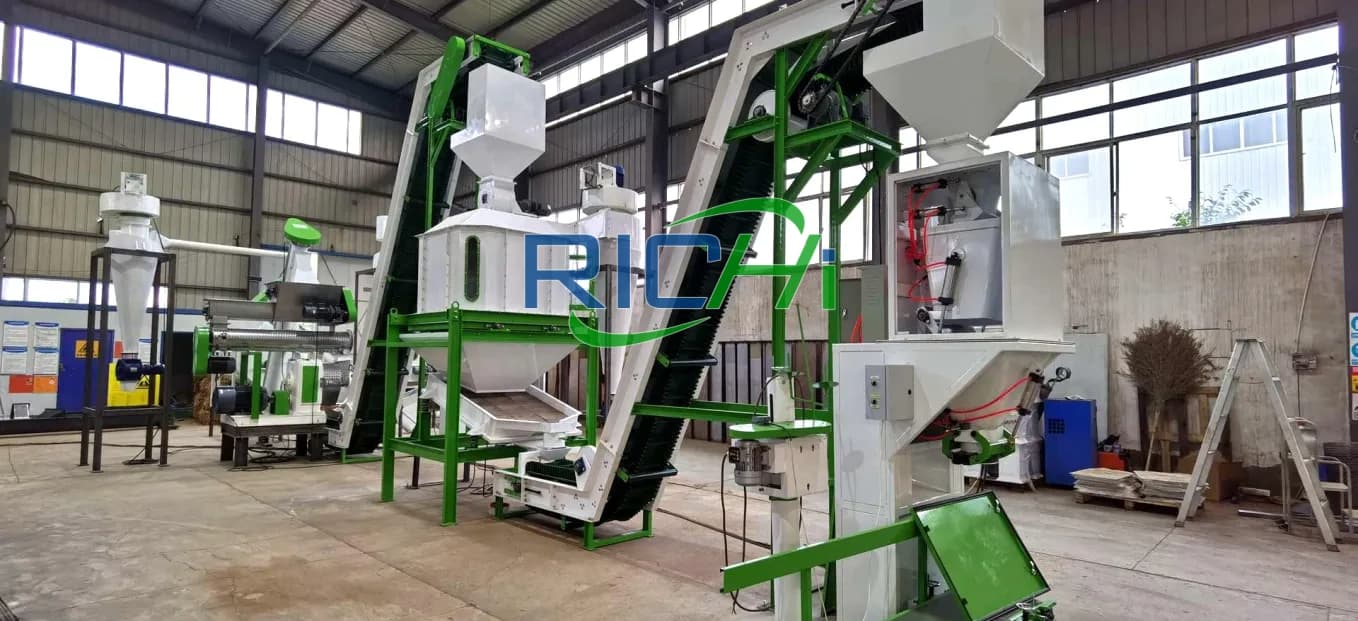
Such solutions are especially valuable in South Africa, where raw materials can vary significantly by region. A well-designed pellet plant ensures consistent pellet quality regardless of feedstock fluctuations, helping producers meet both domestic and export standards.
Raw Materials Suitable for Pelletizing in South Africa
South Africa offers a wide range of pelletizable materials. Common biomass feedstocks include pine and eucalyptus sawdust, wood chips, sugarcane bagasse, sunflower husks, and wheat straw. In agriculture, pelletizers are used to process mixed feed formulas for cattle, poultry, and sheep.
By converting these materials into pellets, producers can extend storage life, improve handling efficiency, and unlock new revenue streams. Pelletized products also meet the preferences of industrial buyers who require standardized fuel or feed inputs.
Economic Advantages of Pellet Production
Pelletizing significantly reduces volume while increasing bulk density, leading to lower transportation and storage costs. This is particularly important in South Africa, where long-distance logistics can impact profitability.
In addition, pellet production adds value to materials that might otherwise be discarded or sold at low prices. Many operators report that pelletizing transforms waste management costs into steady income sources, improving overall business resilience.
What to Consider When Buying a Pelletizer Machine
Choosing the right pelletizer machine involves more than comparing prices. Buyers should evaluate machine durability, die and roller quality, energy consumption, and adaptability to different raw materials.
Local technical support and spare parts availability are also critical factors. A reliable supplier should provide not only equipment but also operational guidance, helping new users shorten the learning curve and avoid costly downtime.
Long-Term Outlook for Pelletizer Machines in South Africa
As South Africa continues to diversify its energy mix and modernize agricultural production, demand for pelletizer machines is expected to grow steadily. Government interest in renewable energy and sustainable agriculture further strengthens market confidence.
For entrepreneurs, cooperatives, and industrial producers, investing in pelletizing technology is a forward-looking decision that aligns economic returns with environmental responsibility.
In this evolving market, the right pelletizer machine is not just a tool—it is the foundation of a scalable production strategy built for long-term success.