Introduction: Why Biomass Pellets Are Driving Global Energy Transition
As governments worldwide tighten carbon reduction commitments, the demand for reliable, low-emission solid fuels continues to rise. Biomass pellets making machine technology sits at the center of this energy transition, enabling producers to convert agricultural residues, forestry byproducts, and dedicated energy crops into standardized, tradeable fuel pellets.
A biomass pellets making machine can process wood chips, rice husks, straw, sunflower husks, cotton stalks, and dozens of other feedstocks — making it one of the most versatile investments in the renewable energy equipment sector. Whether you are building a small community energy project or a large-scale export facility, selecting the right machine and plant configuration is paramount.
Core Technology: Inside the Biomass Pellets Making Machine
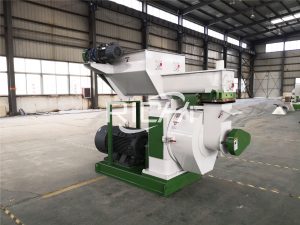
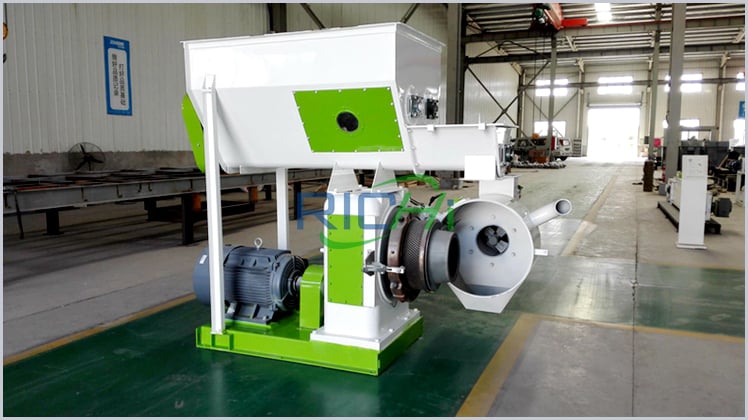
Modern biomass pellets making machine designs use ring die technology driven by high-efficiency gearboxes or direct-drive motors. The die — a cylindrical steel disk perforated with precisely engineered holes — determines pellet diameter, density, and consistency. Rollers press conditioned biomass through the die, and a rotating knife trims the emerging pellets to the desired length.
Advanced models feature automated lubrication, vibration monitoring, and real-time production data logging. These features minimize operator intervention, reduce unplanned maintenance, and enable remote diagnostics that can slash response times when problems arise.
Planning Your Biomass Pellet Making Plant
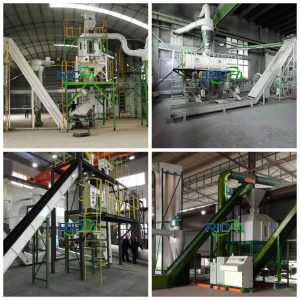
A biomass pellet making plant requires thoughtful planning across multiple dimensions: feedstock supply chain security, site selection (proximity to raw materials and transport infrastructure), utility availability, environmental permitting, and market offtake agreements.
Plant capacity should be matched to the sustainable feedstock supply in your region. Oversizing a biomass pellet making plant relative to available feedstock leads to costly underutilization, while undersizing limits revenue potential. A feasibility study that models multiple capacity scenarios is a worthwhile investment before breaking ground.
Selecting a Pellet Maker Machine for Long-Term Reliability
At the core of any plant is the pellet maker machine. For long-term reliability, prioritize machines built with chromium-molybdenum alloy steel dies and rollers, which offer substantially longer service life than standard carbon steel alternatives. Also evaluate the supplier’s spare parts inventory and lead times — for critical wear components, a local stock of spares can mean the difference between a two-hour maintenance stop and a two-week shutdown.
Energy efficiency is another key parameter. A pellet maker machine that consumes 50 kWh/t rather than 70 kWh/t can save tens of thousands of dollars per year at industrial production volumes, justifying a higher initial purchase price.
Click to Read: Make an Informed Investment Decision
The biomass pellet equipment market offers a wide range of options at varying price and quality levels. Before committing capital, click to read comprehensive supplier evaluations, factory audit reports, and performance benchmarks from credible industry sources.
An informed investment in a high-quality biomass pellets making machine and a well-engineered biomass pellet making plant — supported by a proven pellet maker machine — positions your business to capitalize on growing global demand for biomass fuel for years to come.
https://www.richimanufacture.com/biomass-pellet-making-machine/