Introduction: From Agricultural Waste to Business Opportunity
Agricultural production has always generated large amounts of leftover materials. After harvesting crops, farmers are often left with tons of stalks, straw, and plant residues that require proper management. Among these materials, corn straw has attracted increasing attention because of its wide availability and strong energy potential.
For many years, corn straw was considered a low-value agricultural by-product. In some regions, farmers burned it in open fields because they lacked effective disposal methods. This practice not only wasted valuable biomass resources but also contributed to air pollution and environmental concerns.
Today, the situation is changing. With the development of renewable energy technologies, crop residues are being transformed into high-value biomass fuel products. Pellet production provides a practical solution by compressing loose agricultural materials into dense fuel pellets with better combustion performance and easier transportation.
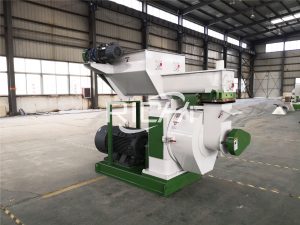
A growing number of agricultural companies are investing in biomass processing facilities because they see opportunities in renewable energy markets. Advanced equipment such as a corn straw pellet machine allows businesses to process locally available crop residues into commercial fuel products.
The Growing Importance of Biomass Energy
The global energy market is experiencing a major transformation. Governments, industries, and communities are looking for cleaner alternatives to traditional fossil fuels. Biomass energy has become an important part of this transition because it combines renewable characteristics with practical industrial applications.
Unlike fossil fuels that require millions of years to form, agricultural biomass is continuously produced through farming activities. When managed properly, biomass fuels can contribute to a more circular economy by converting waste materials into useful energy.
Corn straw is particularly attractive because:
- It is generated every harvesting season.
- It requires relatively simple collection methods.
- It has good combustion characteristics after processing.
- It can support rural economic development.
These advantages make corn straw pellet production an increasingly popular investment direction.
Understanding the Value Chain of Corn Straw Pellet Production
A successful biomass pellet business involves more than purchasing equipment. Investors need to understand the complete value chain, including raw material supply, processing technology, storage, transportation, and market demand.
Raw Material Collection
The first step is establishing a stable supply of corn straw. Successful projects often cooperate with:
- Local farmers
- Agricultural cooperatives
- Crop processing companies
- Rural collection centers
Building reliable raw material channels ensures continuous production throughout the year.
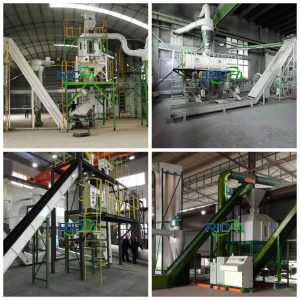
Processing and Pellet Manufacturing
Corn straw usually needs several preparation steps before becoming fuel pellets:
- Crushing
- Drying
- Mixing
- Pelletizing
- Cooling
- Packaging
Each stage influences final pellet quality.
The pelletizing process is especially important because it determines pellet density, durability, and combustion efficiency. Different production scales require different equipment combinations.

For businesses planning commercial biomass projects, solutions such as 0.5-8 T/H rice straw pellet making machine for sale can provide references for similar agricultural residue processing requirements.
How to Select Equipment for a Corn Straw Pellet Project
Choosing suitable machinery directly affects production efficiency and profitability. Before purchasing equipment, investors should carefully evaluate several factors.
Analyze Available Raw Materials
Different agricultural residues have different characteristics. Corn straw contains fibrous materials that require proper crushing and compression.
Important factors include:
- Moisture content
- Fiber structure
- Ash content
- Seasonal availability
A machine suitable for wood materials may not always provide the best performance for straw-based materials.
Consider Production Capacity
Production capacity should match market demand and raw material availability.
Small projects may focus on local heating fuel supply, while larger projects may supply industrial users or export markets.
Oversized equipment can increase unnecessary investment costs, while insufficient capacity may limit business growth.
Evaluate Long-Term Operating Costs
The initial purchase price is only one part of the total investment. Businesses should also consider:
- Electricity consumption
- Spare parts availability
- Maintenance requirements
- Operator skills
- Production stability
Reliable equipment with efficient operation often provides better long-term returns.
Modern Technology Improving Biomass Pellet Production
The biomass pellet industry continues to develop through technological innovation. Modern production systems focus on improving efficiency, reducing energy consumption, and increasing automation.
Improved Pelletizing Performance
Advanced pelletizing technology helps achieve:
- Higher pellet density
- Better durability
- Lower production losses
- More stable operation
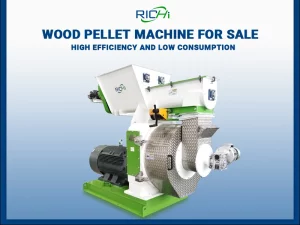
A professional pellet mill for sale can be configured according to different biomass materials and production targets.
Automated Production Management
Automation is becoming increasingly important in large-scale biomass plants. Automated systems can monitor:
- Material feeding speed
- Equipment operation status
- Production output
- Energy consumption
This reduces labor requirements and improves production consistency.
Energy-Saving Drying Solutions
Drying is one of the most energy-consuming stages in biomass pellet production. Modern drying technologies help reduce operating costs while maintaining suitable moisture levels.
Efficient drying solutions are especially valuable in regions where agricultural residues contain high moisture after harvesting.
Environmental Benefits of Corn Straw Pellets
Corn straw pellet production provides multiple environmental advantages.
Reducing Open Burning
In many agricultural regions, open burning of crop residues remains a challenge. Converting straw into pellets provides farmers with a cleaner disposal method.
Replacing Fossil Fuels
Biomass pellets can replace coal and other traditional fuels in many heating and industrial applications.
Supporting Circular Agriculture
The biomass pellet industry creates a connection between agriculture and renewable energy. Crop residues become valuable resources instead of waste.
(Related Post: https://biomasspelletizer.com/hay-pellet-machine-for-sale/)
This circular approach supports sustainable development while creating additional income opportunities.
Challenges That New Investors Should Consider
Although corn straw pellet production has promising potential, careful planning is essential.
Storage Management
Because corn straw is seasonal, storage facilities are necessary to maintain year-round production.
Proper storage should protect materials from:
- Rain
- Excess moisture
- Mold
- Contamination
Transportation Efficiency
Raw straw has low density before processing. Local production facilities can reduce transportation costs by processing materials near farming areas.
Market Development
A successful project requires identifying reliable customers, such as:
- Industrial boiler users
- Heating companies
- Biomass power plants
- Fuel distributors
Understanding local energy demand is important before investing.
Building a Competitive Biomass Pellet Business
To succeed in the competitive renewable energy market, companies need more than equipment. They need a complete business strategy.
Key success factors include:
Stable Raw Material Network
Long-term cooperation with farmers helps maintain consistent supply.
Quality Control System
Producing durable, clean pellets improves customer satisfaction and market reputation.
Professional Technical Support
Working with experienced equipment suppliers helps businesses optimize production processes and solve operational challenges.
Many biomass entrepreneurs study solutions from Richi Machinery when comparing complete production technologies and equipment configurations.
Future Prospects of Corn Straw Pellet Production
The future of biomass energy looks promising as more industries seek sustainable fuel options. Agricultural residue pellet production is expected to expand because it combines environmental benefits with commercial value.
Future developments may include:
- Larger automated pellet plants
- More efficient biomass processing systems
- Integration with agricultural supply chains
- Improved fuel standards
- Smart production management
Companies that invest early in biomass technology may gain advantages as renewable energy markets continue growing.
Conclusion: A Sustainable Path from Waste to Wealth
Corn straw represents one of the most promising agricultural resources for renewable fuel production. Through modern pellet technology, waste materials can be transformed into valuable energy products that support both environmental protection and economic development.
For farmers, it provides additional income opportunities. For investors, it creates a growing renewable energy business. For society, it offers a cleaner alternative to traditional fuels.
Those who want to understand more about biomass applications and production strategies can find out here now and explore additional information about the future of agricultural pellet solutions.
With proper planning, suitable equipment, and effective market development, corn straw pellet production can become a sustainable and profitable industry for years to come.