In modern livestock farming, efficiency is no longer just an advantage—it is a necessity. Rising feed costs, increasing demand for animal protein, and the need for sustainable agriculture practices are pushing farmers and feed producers to adopt more advanced technologies. One of the most impactful innovations in this field is animal feed pellet production. By transforming raw ingredients into dense, uniform pellets, farms can significantly improve feed utilization, reduce waste, and enhance overall productivity.
This article explores how animal feed pellet production improves farm efficiency across different livestock systems, and why pelletizing technology has become a cornerstone of modern feed processing.
1. Understanding Animal Feed Pellet Production
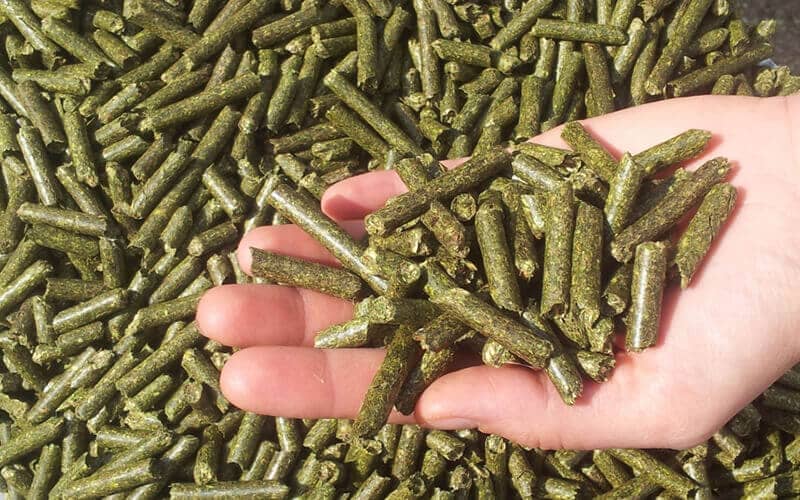
Animal feed pellet production is the process of compressing ground raw materials—such as corn, soybean meal, wheat bran, grass, and additives—into compact, cylindrical pellets using specialized machinery. These pellets are designed to meet the nutritional requirements of specific animals, including poultry, cattle, sheep, goats, fish, and rabbits.
The production process typically includes:
- Grinding raw materials into fine particles
- Mixing ingredients uniformly
- Conditioning with steam or moisture
- Pelletizing under high pressure and temperature
- Cooling and drying
- Screening and packaging
The result is a dense, stable feed form that is easier to handle, store, and consume.
2. Improved Feed Conversion Efficiency
One of the most significant benefits of pellet feed is improved feed conversion ratio (FCR). Animals fed with pellets tend to gain more weight using less feed compared to those fed with mash or loose feed.
This improvement happens because:
- Nutrients are evenly distributed in each pellet
- Animals cannot selectively eat preferred ingredients
- Digestibility increases due to heat and moisture conditioning
- Fine particles reduce digestive effort
For example, poultry and swine farms often report 5–15% improvements in FCR after switching to pellet feed systems. Over time, this translates into substantial cost savings and higher profitability.
3. Reduced Feed Waste and Loss
Loose feed or mash feed is easily scattered, blown away, or left uneaten by animals. In contrast, pellet feed is compact and less prone to waste.
Pellet production improves efficiency by:
- Reducing feed dust and segregation
- Minimizing feed rejection by animals
- Preventing ingredient separation during transport
- Lowering spillage during feeding
On large-scale farms, reducing even 5% of feed waste can result in significant annual savings, especially when feed represents up to 70% of total production costs.
4. Enhanced Feed Storage and Transport Efficiency
Feed pellets are denser than raw mash feed, which means they take up less storage space and are easier to transport.
Benefits include:
- Higher bulk density reduces warehouse requirements
- Lower transportation costs per ton of feed
- Improved resistance to moisture and mold
- Longer shelf life compared to unprocessed feed
This is especially important for commercial feed mills and large livestock operations that distribute feed across multiple locations.
5. Better Animal Health and Digestibility
Pellet feed improves digestion and overall animal health due to thermal processing during production. The heat generated during pelleting helps:
- Kill harmful bacteria and pathogens
- Break down anti-nutritional factors in raw materials
- Improve starch gelatinization for better energy absorption
- Enhance palatability and feed intake consistency
Healthy animals grow faster, require fewer medical interventions, and have lower mortality rates—all of which contribute to improved farm efficiency.
6. Automation and Labor Reduction
Traditional feed preparation methods often require significant manual labor, including grinding, mixing, and distributing feed. Pellet production systems automate much of this process.
By using modern pellet production lines, farms benefit from:
- Reduced dependency on manual labor
- Consistent feed quality with minimal human error
- Faster production cycles
- Centralized feed management systems
This is especially valuable in regions facing labor shortages or rising wage costs.
7. Precision Nutrition for Different Livestock
Different animals require different nutritional formulas. Pellet production technology allows precise formulation adjustments to meet species-specific needs.
Examples include:
- High-protein pellets for broilers
- Fiber-rich pellets for cattle and sheep
- High-energy feed for dairy cows
- Floating or sinking feed for fish
- Specialized diets for small animals like rabbits
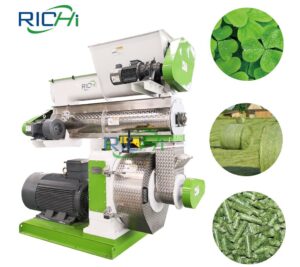
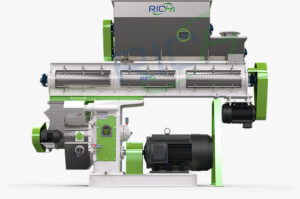
For instance, a rabbit pellet making machine is designed to produce fine, uniform pellets that meet the digestive and nutritional requirements of rabbits. These machines ensure high fiber content, consistent particle size, and minimal dust—critical for rabbit health and growth performance.
https://pelletisingmachine.com/rabbit-feed-pellet-making-machine
By customizing feed formulas, farmers can optimize growth rates and feed efficiency for each livestock category.
8. Environmental Sustainability Benefits
Sustainability is becoming a key concern in agriculture. Feed pellet production contributes to environmentally friendly farming in several ways:
- Reduced feed waste lowers overall resource consumption
- Efficient feed utilization reduces methane emissions from ruminants
- Better digestion means less manure output per unit of growth
- Ability to incorporate agricultural by-products reduces waste disposal
Additionally, pellet feed production supports the recycling of crop residues such as straw, husks, and grass into valuable livestock nutrition sources.
9. Economic Advantages for Farmers and Feed Producers
From an economic perspective, pellet feed production improves profitability through multiple channels:
- Lower feed conversion costs
- Reduced transportation and storage expenses
- Higher animal growth rates
- Lower veterinary and medication costs
- Improved product consistency for commercial sale
Although the initial investment in pellet machinery may be significant, the long-term return on investment is typically high, especially for medium to large-scale farms.
10. Role of Modern Pellet Machines in Efficiency
Advanced pellet machines are central to achieving these benefits. Modern systems offer:
- High-capacity continuous production
- Adjustable pellet size for different animals
- Energy-efficient motors and drives
- Durable alloy dies and rollers
- Integrated automation and control systems
Whether used in a commercial feed mill or a specialized farm setup, these machines ensure consistent output quality and operational stability.
The inclusion of specialized equipment like the rabbit pellet making machine further demonstrates how tailored machinery can support niche livestock sectors while maintaining industrial-level efficiency.
11. Quality Consistency and Feed Standardization
One often overlooked benefit of pellet production is feed standardization. Unlike manual feed mixing, pellet systems ensure that every unit of feed contains the same nutritional composition.
This consistency leads to:
- Predictable animal growth performance
- Easier farm management and planning
- Reduced risk of nutritional deficiencies
- Better compliance with industry standards
For commercial livestock producers, consistent product quality is essential for market competitiveness.
12. Integration with Modern Smart Farming Systems
Today’s feed pellet production systems are increasingly integrated with digital monitoring and smart farming technologies. These include:
- Automated ingredient dosing systems
- Real-time production monitoring
- Data-driven feed formulation adjustments
- Remote equipment control and diagnostics
Such integration allows farmers to optimize feed production based on real-time livestock performance data, further enhancing efficiency.
13. Application Across Multiple Livestock Industries
Animal feed pellet production is not limited to one type of farming. It is widely used in:
- Poultry farming (chicken, duck, turkey)
- Aquaculture (fish and shrimp feed)
- Cattle and dairy farming
- Sheep and goat farming
- Rabbit farming and small livestock production
Each sector benefits differently, but the underlying efficiency gains remain consistent across all applications.
14. Future Trends in Feed Pellet Production
The future of animal feed pellet production is moving toward:
- Greater automation and AI integration
- Energy-efficient and low-carbon systems
- Expanded use of agricultural waste materials
- Highly customized nutritional formulations
- Compact modular production units for small farms
As technology continues to evolve, feed pellet production will become even more accessible and efficient for farms of all sizes.
Conclusion
Animal feed pellet production has transformed the livestock industry by significantly improving farm efficiency. From better feed conversion ratios and reduced waste to enhanced animal health and lower labor costs, pelletizing technology delivers measurable benefits across all aspects of farm operations.
The use of specialized equipment such as a rabbit pellet making machine further highlights the adaptability of this technology to different livestock needs, ensuring that even niche farming systems can achieve high efficiency and productivity.
As global demand for animal protein continues to rise, adopting feed pellet production systems is no longer optional—it is a strategic investment in the future of sustainable and profitable farming.