For decades, agricultural residues were often treated as low-value waste. Farmers burned them in the fields, stored them indefinitely, or paid for disposal. Today, however, global energy markets are changing rapidly. Rising fuel costs, stricter environmental regulations, and growing demand for renewable resources have transformed biomass residues into valuable industrial commodities.
Materials such as sunflower shells, rice husks, straw, wood residues, corn stalks, bamboo waste, palm fiber, and forestry by-products are now widely processed into high-density biomass pellets. These pellets are easy to transport, simple to store, and capable of delivering consistent thermal energy for industrial boilers, power plants, and commercial heating systems.
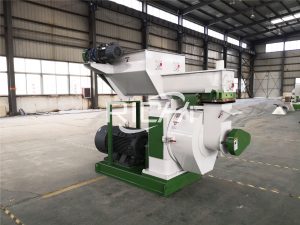
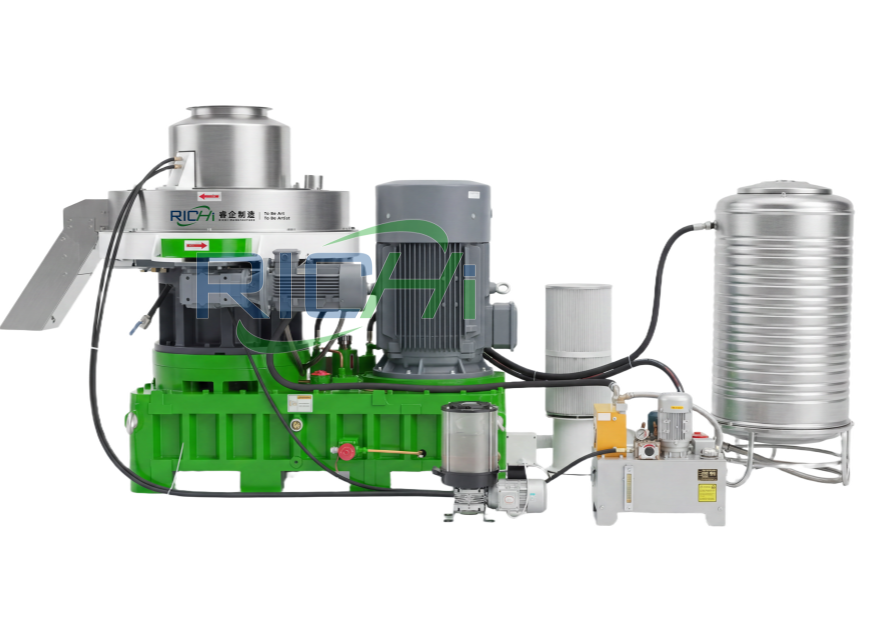
At the center of this transformation is the Vertical Biomass Pellet Machine, a technology designed specifically to handle challenging biomass materials while maintaining stable output and pellet quality.
As industries seek cleaner alternatives to coal and fossil fuels, pellet production continues to attract investors who recognize the long-term potential of renewable energy manufacturing.
The Growing Demand for Biomass Fuel Around the World
The transition toward sustainable energy is no longer limited to developed countries. Emerging economies are also increasing their investments in renewable fuel production.
Several factors are driving this trend:
- Increasing coal replacement programs
- Carbon reduction policies
- Industrial heating demand
- Waste recycling initiatives
- Rural economic development
- Export opportunities for biomass pellets
Unlike solar and wind energy, biomass fuel can be stored and transported. This characteristic makes biomass pellets especially attractive for industries requiring continuous energy supply.
The challenge, however, lies in converting raw agricultural waste into dense, durable pellets efficiently. This is where advanced pelleting technology becomes essential.
Many successful projects begin with selecting a reliable pellet plant capable of adapting to different raw materials and production requirements.
What Makes Vertical Pellet Technology Different?
Traditional pelletizing systems often struggle with fibrous or lightweight materials. Problems such as uneven feeding, material bridging, and unstable pellet quality can reduce productivity.
Vertical pellet technology addresses these issues through a fundamentally different design philosophy.
The vertical structure allows gravity-assisted feeding. Instead of forcing biomass through complex feeding pathways, materials move naturally into the pelleting chamber.
This design provides several advantages:
Better Material Flow
Lightweight materials enter the compression area more consistently.
Reduced Mechanical Stress
The machine experiences lower vibration during operation.
Improved Pellet Density
Uniform compression helps produce pellets with consistent dimensions and durability.
Greater Raw Material Flexibility
Users can process a wider range of agricultural and forestry residues.
For businesses entering the renewable energy market, these advantages translate directly into lower operating costs and higher production efficiency.
Sunflower Shells: An Increasingly Valuable Biomass Resource
Among various biomass materials, sunflower shells have become one of the fastest-growing feedstocks.
The global sunflower oil industry generates millions of tons of shells annually. Instead of discarding this residue, manufacturers increasingly convert it into biomass fuel.
Sunflower shell pellets offer:
- High calorific value
- Low moisture content
- Consistent combustion performance
- Easy transportation
- Reduced waste disposal costs
For small and medium investors, a 2 tph sunflower shell pellet machine often provides an ideal starting point. It offers sufficient production capacity while keeping capital investment manageable.
Larger operations may eventually expand into integrated pellet production facilities serving domestic and export markets.
Key Factors That Influence Pellet Quality
Many new investors focus exclusively on machine capacity. However, pellet quality determines long-term profitability.
Several factors affect pellet performance.
Moisture Content
Most biomass materials require proper moisture adjustment before pelletizing.
Excess moisture reduces pellet durability.
Insufficient moisture may increase energy consumption.
Particle Size
Uniform raw material sizing improves pellet consistency.
Proper grinding also enhances compression efficiency.
Compression Ratio
Different biomass materials require different die configurations.
Wood residues typically need higher compression ratios than agricultural residues.
Cooling and Packaging
Fresh pellets exit the machine at elevated temperatures.
Proper cooling stabilizes pellet structure and reduces breakage during storage.
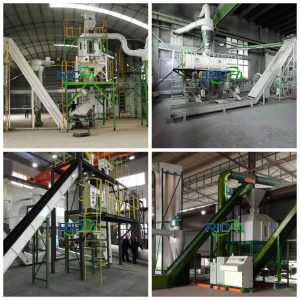
A modern production system must optimize all these stages rather than focusing solely on pelletizing equipment.
Why Scalability Matters for New Biomass Businesses
Many entrepreneurs start with modest production goals.
However, successful operations often expand rapidly once local demand develops.
A scalable production model allows businesses to increase output without replacing their entire manufacturing system.
For example:
Phase 1:
Local fuel supply
Phase 2:
Regional industrial customers
Phase 3:
Export-oriented production
This approach reduces investment risk while maintaining future growth potential.
Companies planning expansion frequently select equipment from experienced suppliers such as Richi manufacture, whose solutions can be integrated into larger production lines as demand grows.
Economic Benefits Beyond Fuel Production
Biomass pellet manufacturing creates value in several ways.
Waste Reduction
Agricultural residues become revenue-generating resources.
Additional Farmer Income
Farmers can sell crop residues instead of disposing of them.
Rural Employment
Pellet facilities create jobs in collection, transportation, production, and maintenance.
Carbon Reduction
Biomass pellets help reduce dependence on fossil fuels.
Energy Security
Locally produced fuel decreases reliance on imported energy sources.
These combined benefits explain why governments increasingly support biomass energy initiatives worldwide.
Common Misconceptions About Biomass Pellet Production
Many newcomers assume pellet production is simply a matter of compressing raw material.
In reality, successful operations require careful planning.
Misconception 1: Any Biomass Material Works Equally Well
Different materials require different processing strategies.
Misconception 2: Bigger Machines Always Generate More Profit
Oversized equipment can increase operating costs unnecessarily.
Misconception 3: Pellet Quality Does Not Matter
Poor-quality pellets often lead to customer complaints and reduced market competitiveness.
Misconception 4: Raw Material Supply Is Unlimited
A reliable feedstock supply chain remains critical for long-term success.
Understanding these realities helps investors avoid costly mistakes during project development.
Emerging Trends Shaping the Industry
Several technological developments continue to influence biomass pellet manufacturing.
Smart Monitoring Systems
Real-time monitoring improves operational efficiency.
Automated Feeding Systems
Automation reduces labor requirements.
Energy-Efficient Drives
Modern motors lower electricity consumption.
Multi-Material Processing
Facilities increasingly process multiple feedstock types.
Integrated Production Lines
Manufacturers seek complete solutions rather than standalone machines.
Industry experts discussing these developments often provide detailed technical explanation regarding future market opportunities and equipment innovations.
Choosing the Right Equipment Supplier
Selecting equipment involves more than comparing prices.
A reliable supplier should offer:
- Technical consultation
- Raw material testing
- Installation guidance
- Operator training
- Spare parts support
- Future expansion planning
Long-term support often proves more valuable than a lower initial purchase price.
Investors who conduct thorough supplier evaluations generally achieve better project outcomes.
Additional case studies and operational insights can be found through this a knockout post, where industry professionals share practical experiences from real biomass projects.
Conclusion
The global biomass industry continues to evolve as renewable energy demand increases.
Agricultural residues once viewed as waste now represent valuable resources capable of generating sustainable revenue streams.
Whether processing sunflower shells, wood residues, straw, or forestry by-products, modern pellet technology enables businesses to transform low-value materials into high-demand energy products.
The Vertical Biomass Pellet Machine provides an effective solution for handling diverse biomass feedstocks while supporting future production growth. Combined with proper raw material preparation, quality control, and strategic planning, biomass pellet production offers a compelling opportunity for investors seeking participation in the renewable energy economy.
Related Post: https://pelletizerequipment.com/vertical-ring-die-pellet-machine/