The pellet manufacturing industry has expanded significantly over the past decade. Rising demand for renewable energy, increasing utilization of agricultural residues, and growing awareness of sustainable production practices have encouraged many companies to explore pellet manufacturing opportunities.
For investors entering the industry, selecting the right equipment is one of the most important decisions they will make. The wrong machine can result in high maintenance costs, unstable production, excessive energy consumption, and poor pellet quality. The right solution, however, can support profitable operations for many years.
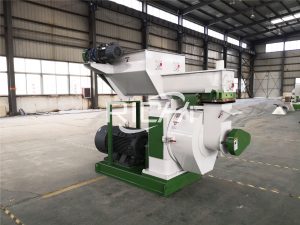
As biomass markets continue developing across Britain, more businesses are evaluating a suitable pellet press for sale uk to help transform locally available raw materials into valuable commercial products.
Why Pellet Manufacturing Continues to Attract Investment
Several factors contribute to the ongoing growth of pellet production.
First, biomass resources remain widely available throughout the UK. Forestry residues, agricultural by-products, and wood processing waste can all serve as potential feedstocks.
Second, many organizations are seeking alternatives to traditional fossil fuels. Renewable fuel solutions provide opportunities to reduce carbon emissions while improving energy security.
Third, pellet production creates value from materials that may otherwise have limited commercial applications.
These advantages have encouraged investors from multiple sectors to explore pellet manufacturing opportunities.
Understanding Different Types of Raw Materials
Successful pellet production begins with understanding the characteristics of available feedstocks.
Common biomass materials include:
- Wood chips
- Sawdust
- Straw
- Sunflower husks
- Peanut shells
- Agricultural residues
- Energy crops
Each material behaves differently during pelletization.
For example, wood-based materials often produce durable pellets with relatively low ash content. Agricultural residues may require specialized feeding systems and different operating parameters.
Understanding feedstock characteristics helps producers select equipment that aligns with their production objectives.
For agricultural applications, a dedicated straw pellet machine for sale may offer advantages when processing fibrous crop residues that require specialized handling.
The Importance of Matching Equipment to Production Goals
One common mistake made by new investors is selecting equipment based solely on purchase price.
While budget considerations are important, long-term operating performance often has a greater impact on profitability.
Several factors should be evaluated.
Production Capacity
Equipment should match realistic production targets.
Machines that are too small may limit future growth, while oversized equipment can increase unnecessary capital expenditure.
Feedstock Compatibility
Different pellet mills are optimized for different materials.
Selecting equipment specifically designed for the intended feedstock improves efficiency and pellet quality.
Energy Efficiency
Electricity consumption represents a significant operating expense.
Modern equipment typically incorporates energy-saving technologies that reduce long-term costs.
Reliability
Stable operation minimizes downtime and supports consistent production schedules.
How Modern Pellet Equipment Has Evolved
Today’s pellet production systems are significantly more advanced than earlier generations.
Modern technologies focus on:
Automated Control
Operators can monitor production conditions in real time.
Improved Material Feeding
Consistent feed rates improve pellet quality and production stability.
Enhanced Component Durability
Advanced materials help reduce wear and extend service life.
Intelligent Protection Systems
Automated safety functions help protect equipment from overload conditions.
These improvements contribute to higher productivity and lower maintenance requirements.
Why Pellet Quality Determines Market Success
Regardless of production volume, customers expect pellets that perform consistently.
Important quality indicators include:
- Uniform size
- High density
- Low moisture content
- Good durability
- Stable combustion characteristics
- Low dust generation
Producing premium pellets requires both quality raw materials and properly configured equipment.
Manufacturers that consistently deliver reliable products are often able to establish stronger customer relationships and achieve better pricing.
Planning for Long-Term Business Growth
Pellet production should be viewed as a long-term investment rather than a short-term project.
Successful businesses typically develop comprehensive growth strategies that include:
Market Expansion
Identifying future customer segments and sales opportunities.
Capacity Development
Planning for potential production increases as demand grows.
Technology Upgrades
Remaining competitive through ongoing operational improvements.
Supply Chain Management
Securing reliable raw material sources.
Companies that take a strategic approach are generally better positioned to respond to changing market conditions.
The Growing Role of Automation
Labour availability and operating efficiency continue influencing investment decisions.
Automation provides several advantages.
Reduced Labour Requirements
Fewer manual operations can lower operating costs.
Improved Process Consistency
Automated systems help maintain stable production conditions.
Better Data Collection
Production information can support decision-making and process optimization.
Enhanced Equipment Protection
Automated monitoring helps identify potential issues before they become serious problems.
Modern facilities increasingly rely on automation to improve competitiveness and operational efficiency.
Environmental Benefits of Pellet Manufacturing
Beyond economic advantages, pellet production supports broader sustainability goals.
Waste Reduction
Biomass residues can be converted into valuable products.
Resource Efficiency
Raw materials are utilized more effectively.
Renewable Energy Development
Pellets provide a practical alternative to fossil fuels in many applications.
Circular Economy Support
Production systems transform by-products into commercially useful commodities.
These environmental benefits continue encouraging investment across multiple industries.
Common Challenges Facing Producers
Although pellet manufacturing offers significant opportunities, producers must address several challenges.
Feedstock Variability
Raw material quality may fluctuate throughout the year.
Equipment Maintenance
Preventive maintenance remains essential for reliable operation.
Energy Costs
Electricity consumption should be carefully managed.
Market Competition
Strong quality standards help differentiate products from competitors.
Businesses that proactively address these issues often achieve stronger long-term results.
Future Trends Shaping the Industry
Several developments are expected to influence pellet manufacturing in the coming years.
Smart Manufacturing
Digital technologies will continue improving operational visibility.
Higher Efficiency Standards
Customers increasingly expect cost-effective production and premium pellet quality.
Alternative Feedstocks
Producers are exploring new biomass resources.
Greater Sustainability Focus
Environmental performance is becoming increasingly important to buyers and regulators.
Organizations that adapt to these trends are likely to remain competitive in evolving markets.
Evaluating Equipment Suppliers
Choosing the right supplier is often just as important as selecting the right machine.
Factors to consider include:
- Industry experience
- Engineering capabilities
- Technical support
- Installation services
- Spare parts availability
- Training programs
Many buyers compare multiple suppliers before selecting a solution from Richi manufacture, particularly when planning projects that require dependable long-term performance and comprehensive technical support.
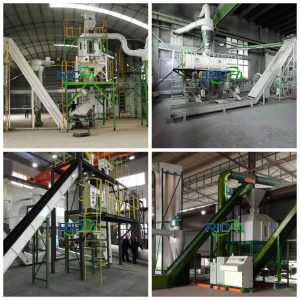
Creating an Efficient Production Workflow
A successful pellet manufacturing facility depends on more than individual machines.
Every stage must work together efficiently.
These stages include:
- Raw material storage
- Size reduction
- Drying
- Pelletizing
- Cooling
- Screening
- Packaging
When properly integrated, these processes help maximize productivity while maintaining consistent product quality.
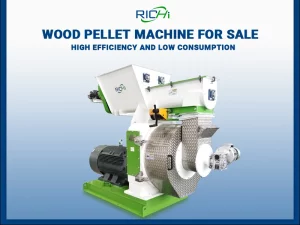
A well-designed pellet machine for sale solution should support smooth workflow integration and future production expansion.
Conclusion
Pellet manufacturing continues to offer attractive opportunities for businesses seeking sustainable growth, renewable energy solutions, and improved resource utilization.
Success depends on careful planning, appropriate equipment selection, strong quality control, and a clear understanding of market requirements. Investors who take a long-term approach are often best positioned to benefit from the industry’s continued expansion.
As biomass utilization grows throughout the UK and beyond, modern pellet production technologies will continue playing an important role in transforming low-value residues into high-value commercial products. For additional technical resources and industry insights, readers can a knockout post that explores the latest developments in pellet manufacturing and renewable energy production.
Related Post: https://pelletizerequipment.com/cat-litter-pellet-machine/