The global transition toward renewable energy has positioned biomass pellets as a clean, sustainable alternative to fossil fuels. A biomass pellet plant transforms agricultural and forestry waste into high-density fuel pellets, delivering both environmental and economic benefits. Modern production facilities, featuring advanced pellet making machine technology, enable efficient operations that meet growing market demand for sustainable energy solutions.
Understanding Biomass Pellet Plant Operations
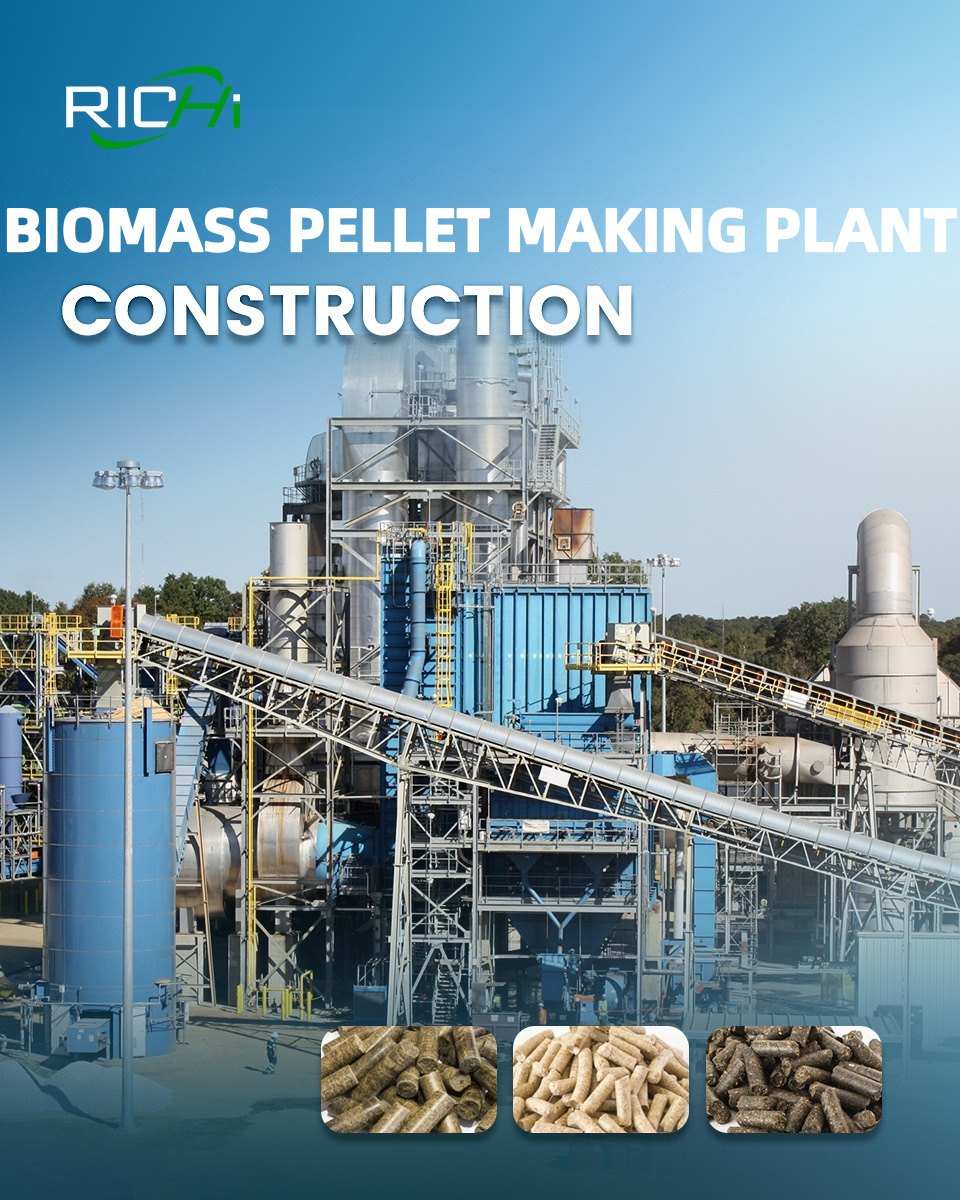
A biomass pellet plant converts raw materials such as wood chips, sawdust, crop straw, rice husks, and other biomass waste into solid fuel pellets through a series of carefully coordinated processing stages. The production process follows a structured sequence: raw material preparation, chipping and grinding, drying to achieve optimal moisture content, pelletizing, cooling, screening, and packaging.
The finished pellets typically have a diameter of 6 to 12 millimeters and serve as clean fuel for household heating, industrial boilers, and power generation. Modern plants can process a wide variety of materials including logs, branches, sawdust, wood shavings, bark, and agricultural residues such as corn stalks, wheat straw, and rice husks.
Core Equipment: The Pellet Making Machine
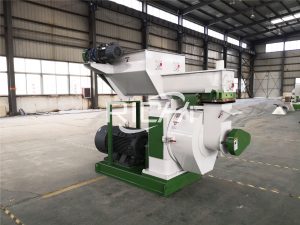
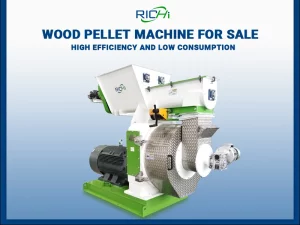
At the heart of every biomass pellet plant is the pellet making machine, which compresses prepared biomass into dense, uniform pellets. Ring die pellet mills are the preferred technology for commercial production, offering higher output capacity and more consistent pellet quality compared to flat die designs. Key features include high-strength alloy steel ring dies with vacuum quenching heat treatment, achieving extended service life.
The pellet making machine operates by forcing prepared material through a rotating ring die under high pressure. During this process, the material’s natural lignin acts as a binder, eliminating the need for chemical additives. The pelletizing temperature is typically maintained at 70-90°C to ensure pellet stability and strength. Freshly formed pellets emerge at elevated temperatures and must be cooled to ambient levels to prevent deformation and improve hardness.
Available pellet making machine models offer capacities ranging from 0.7 to 4+ tons per hour, with motor power ranging from 55 kW to 315 kW. For example, the 680 model delivers 2-2.5 tons per hour with a 132 kW motor, while the 880 model achieves 3-4 tons per hour with a 315 kW motor. For detailed equipment specifications and project examples, you can blog here for comprehensive resources from industry-leading manufacturers.
Complete Production Line Integration
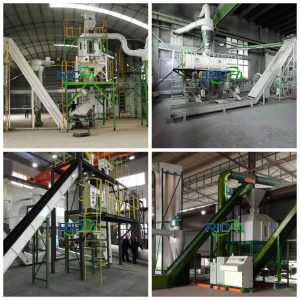
A comprehensive biomass pellet plant integrates multiple stages beyond the pellet mill. The complete production line includes wood chippers or crushers, hammer mills for size reduction, rotary drum dryers, the pellet mill, counter-flow coolers, vibrating screens, dust collection systems, and automatic packaging equipment.
The typical process flow follows a structured sequence: logs are first chipped into 3-5mm pieces, then crushed further to 2-3mm wood shavings. The material is dried to achieve 12-15% moisture content before pelletizing. The ring die pellet mill compresses the prepared material into uniform pellets, which are then cooled, screened, and packaged.
Leading manufacturers have built thousands of biomass pellet projects across more than 140 countries, with capacities ranging from 1 to 60 tons per hour. For example, a 6 T/H biomass pellet production plant in China processes wood scrap powder, straw powder, and lignin powder into 6-8mm fuel pellets with a total equipment cost of approximately USD 1.1 million. Similarly, a 5 T/H Napier grass pellet plant in Thailand processes energy crop biomass for regional power generation.
Biomass Pellet Machine Price Considerations
The biomass pellet machine price varies significantly based on capacity, configuration, and automation level. For core pellet mill equipment, prices generally range from USD 15,000 to USD 29,000 depending on the model and specifications. For example, a 1.5-2 tons per hour output biomass pellet mill with 132 kW motor is priced at approximately USD 27,000-29,000.
Complete production line solutions represent larger investments. A 6 T/H biomass pellet plant project with a total investment of USD 9 million includes equipment purchase costs of approximately USD 1.1 million, with the remainder covering installation, engineering construction, and working capital. A smaller 1-15 tons per hour line can range from USD 15,150 upward depending on configuration.
For successful implementation examples and detailed product specifications, you can blog here for comprehensive resources providing technical data and case studies from installations worldwide.
Summary
Investing in a biomass pellet plant offers a strategic opportunity to convert agricultural and forestry waste into renewable energy. The combination of advanced pellet making machine technology with integrated processing systems delivers consistent quality and operational efficiency. For detailed specifications and biomass pellet machine price options, you can blog here for comprehensive manufacturing solutions tailored to specific capacity requirements and raw material sources.
View details:https://www.richimanufacture.com/biomass-pellet-making-plant/