The feed industry has entered an era defined by change. Consumer preferences evolve rapidly, raw material costs fluctuate unexpectedly, and producers face mounting pressure to improve both efficiency and sustainability. In such an environment, the extrusion line is no longer just another piece of processing equipment—it becomes the foundation of a manufacturer’s long-term strategy.
Companies that thrive are often those that invest wisely rather than aggressively. Instead of chasing the largest machines or the lowest quotations, they focus on adaptability, reliability, and operational efficiency.
So what exactly makes an extrusion system future-ready?
The Shift From Production to Value Creation
A decade ago, many feed producers measured success primarily by tonnage. Higher output was considered the ultimate objective.
Today, the definition of success has expanded.
Manufacturers are expected to deliver products with consistent quality, precise nutritional value, excellent digestibility, and attractive appearance. At the same time, they must control operating expenses and react quickly to changing market trends.
This transition requires a different mindset.
Rather than asking, “How much can this machine produce?” decision-makers increasingly ask, “How much value can this production system create?”
Why Simplicity Still Wins in Many Markets
Despite the popularity of advanced processing technologies, simpler solutions continue to hold an important place within the industry.
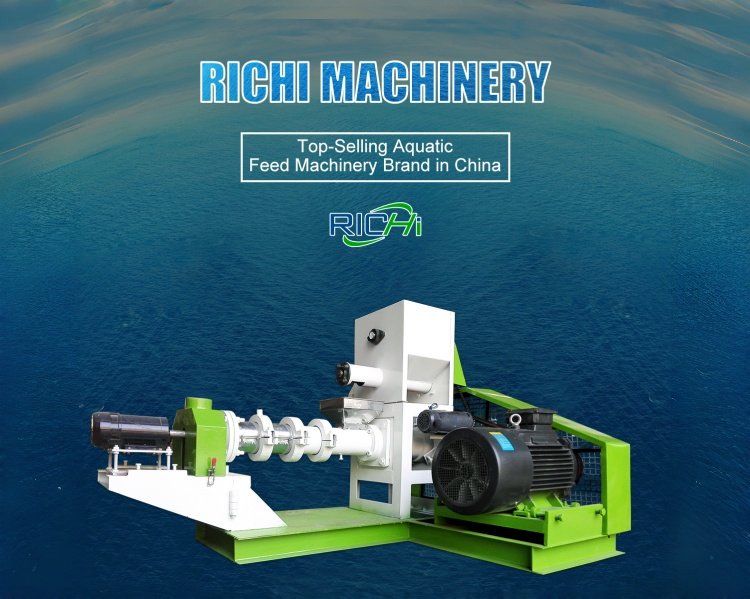
For many regional producers, startup operations, and businesses focusing on a limited product range, a single screw extrusion machine provides an ideal balance between affordability and performance.
Its popularity is not accidental.
Single-screw systems are often appreciated for their:
- Straightforward operating principles.
- Lower capital requirements.
- Reduced maintenance complexity.
- Stable performance under standardized conditions.
- Faster learning curves for production teams.
These advantages enable manufacturers to establish production capabilities without introducing unnecessary risks.
In developing markets especially, practical reliability often outweighs technological sophistication.
Product Diversity Changes Everything
As customer expectations increase, feed producers frequently expand beyond their original product offerings.
A fish feed manufacturer may begin exploring shrimp diets.
Pet food processors may introduce premium recipes.
Livestock feed companies might investigate specialty nutrition products designed for specific growth stages.
Each expansion creates new technical requirements.
The ability to process varying formulations efficiently becomes increasingly important.
This is where advanced extrusion solutions demonstrate their strengths.
Manufacturers seeking greater operational flexibility often evaluate a 0.2-10 T/H twin screw extruder machine for sale because of its capability to accommodate more demanding formulations and broader production objectives.
Rather than limiting innovation, the right system encourages it.
The Hidden Cost of Poor Planning
Equipment decisions made without strategic planning frequently become expensive lessons.
Some producers purchase oversized systems that remain underutilized.
Others invest in equipment that cannot support future product development.
Occasionally, businesses underestimate installation requirements, resulting in costly modifications after commissioning.
Avoiding these scenarios requires thoughtful preparation.
Before selecting equipment, companies should define:
Target products.
What types of feed will be produced over the next five years?
Growth expectations.
Will production volumes expand significantly?
Ingredient flexibility.
Will formulations evolve over time?
Workforce capabilities.
Does the team possess the necessary technical expertise?
Budget limitations.
How should investment be allocated to maximize returns?
These questions transform equipment purchasing from a reactive process into a strategic initiative.
Technology Should Support People
Automation has become a major talking point throughout manufacturing industries.
However, even the most sophisticated production lines depend heavily on the people who operate them.
Successful extrusion facilities invest not only in equipment but also in human development.
They prioritize:
- Technical training.
- Preventive maintenance routines.
- Standardized operating procedures.
- Performance monitoring.
- Continuous improvement programs.
A motivated and knowledgeable workforce frequently extracts greater value from modest equipment than an inexperienced team operating premium machinery.
Technology should empower people—not replace sound operational discipline.
Sustainability Is No Longer Optional
Environmental responsibility has evolved from a marketing concept into a business necessity.
Customers, regulators, and investors increasingly expect manufacturers to minimize waste and improve resource efficiency.
Extrusion systems contribute significantly to these objectives.
Modern facilities seek to reduce:
- Excess energy consumption.
- Product losses.
- Water usage.
- Downtime-related waste.
- Unnecessary reprocessing.
Improved process stability often leads to both environmental and financial benefits.
Efficiency and sustainability are no longer competing priorities.
In many cases, they support one another.
Choosing the Right Partner Matters
An extrusion project extends far beyond equipment delivery.
The most successful implementations involve collaboration between manufacturers and experienced suppliers capable of providing ongoing support.
Services that add meaningful value include:
- Production consulting.
- Plant layout recommendations.
- Installation guidance.
- Operator training.
- Technical troubleshooting.
- Future upgrades.
For this reason, many businesses prioritize long-term relationships with suppliers such as Richi Pelletizer, valuing their ability to support projects throughout the entire production lifecycle.
A supplier’s commitment after installation can influence operational outcomes just as much as the equipment itself.
Innovation Doesn’t Always Mean Complexity
One of the industry’s biggest misconceptions is that innovation requires increasingly complicated systems.
In reality, effective innovation often focuses on practical improvements.
Small adjustments can generate meaningful results:
- Streamlining material flow.
- Enhancing operator accessibility.
- Simplifying maintenance procedures.
- Improving monitoring capabilities.
- Reducing unnecessary energy usage.
These refinements accumulate over time, strengthening profitability and operational resilience.
The smartest facilities rarely pursue innovation for appearance alone.
They pursue measurable improvements.
Preparing for Tomorrow’s Market
No one can predict every industry trend.
Nevertheless, certain developments appear increasingly likely.
Future feed production will demand:
Greater customization.
Products tailored to specific species and market segments.
Faster response times.
Shorter development cycles and quicker changeovers.
Higher quality standards.
Improved consistency and traceability.
Better resource utilization.
Reduced environmental impact.
Stronger competitiveness.
The ability to adapt rapidly to market changes.
Facilities designed with flexibility in mind will be better positioned to capitalize on emerging opportunities.
Final Thoughts
Future-ready extrusion systems are not defined solely by size, complexity, or price.
Their true value lies in supporting sustainable growth, operational efficiency, and business adaptability.
For some producers, a reliable single screw extrusion machine remains the most practical solution.
For others pursuing broader product portfolios, advanced configurations provide opportunities to innovate and expand with confidence.
The key is making investment decisions based on business objectives rather than assumptions.
Those who align technology with strategy are far more likely to achieve lasting success in a competitive marketplace.
If you’re exploring extrusion technologies and evaluating long-term production options, browse around here to discover practical solutions designed for today’s evolving feed industry.
(Related Post: https://www.richipelletmill.com/single-screw-extruder-machine/ )